
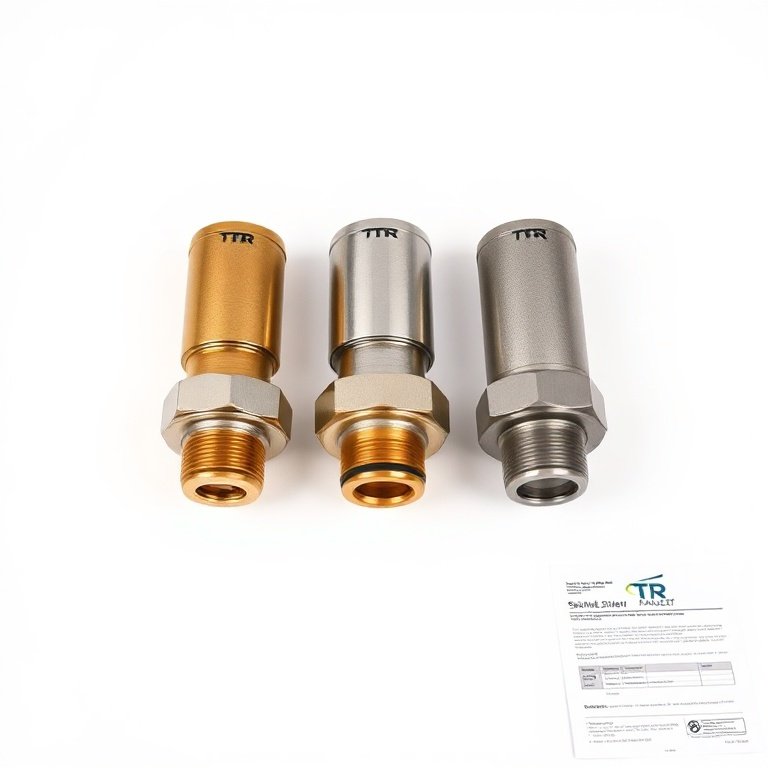
In the global sanitary ware market, a faucet’s performance is dictated by what lies beneath its polished surface. For B2B buyers, importers, and brand managers, material selection is the most critical factor influencing product lifespan, safety compliance, and after-sales costs. Which faucet material is best for long-term durability? While many options exist, the industry consensus points toward one clear winner. As a professional sanitary ware manufacturer, TR Faucet prioritizes material integrity to protect our partners’ brand reputations. This guide provides a technical comparison of the three primary materials used in modern production: Brass, Stainless Steel, and Zinc Alloy.
The Gold Standard: The Superiority of a Solid Brass Faucet
The Brass Faucet has been the preferred choice for high-end plumbing for centuries, and for good reason. It offers a unique combination of physical properties that other metals struggle to match.
Corrosion Resistance and Structural Integrity in High-Pressure Systems
Brass, an alloy of copper and zinc, is naturally resistant to soft-water corrosion and hard-water calcification. In the high-pressure environment of modern plumbing, a solid Brass Faucet maintains its structural integrity without becoming brittle. This makes it the ideal material for custom faucet collection projects in luxury hotels and residential developments where long-term reliability is non-negotiable.
Health and Safety: The Truth About Lead-Free Brass Faucet Standards
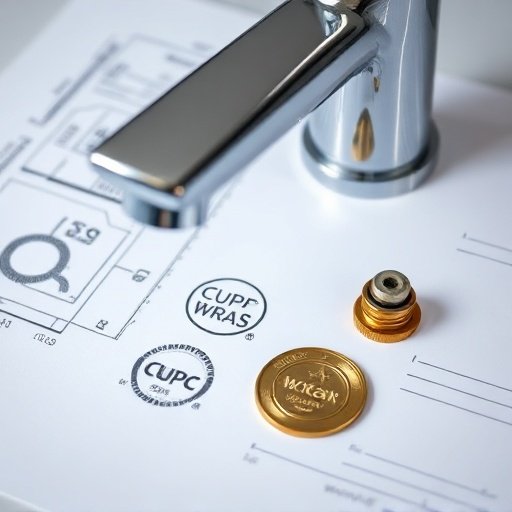
One of the most important aspects for international B2B buyers is compliance with health standards like NSF/ANSI 372. At TR Faucet, we utilize high-quality H59 or CW617N brass, which are engineered to be lead-free or have extremely low lead content. These materials ensure that the water passing through the fixture remains safe for consumption, which is a key requirement for obtaining global faucet certifications.
Stainless Steel Faucet: The Hygienic and Durable Alternative
In recent years, the Stainless Steel Faucet (specifically SUS304) has gained significant market share, particularly in modern kitchen designs.
Pros and Cons of SUS304 Material in Modern Kitchens
Stainless steel is prized for its extreme durability and “industrial” aesthetic. It contains no lead by nature and is highly resistant to surface scratches. However, from a Faucet Manufacturing perspective, stainless steel is much harder to machine and cast than brass. This often results in simpler geometric designs and can lead to higher production costs for complex, high-arc models.
Maintenance and Aesthetics: The Industrial Look
A Stainless Steel Faucet typically features a brushed finish that is excellent at hiding fingerprints. It is a fantastic option for commercial kitchens or modern minimalist bathrooms that require a rugged, low-maintenance fixture.
Zinc Alloy Faucets: Understanding the Low-Cost Market Entry
Zinc alloy (often referred to as “Zamac”) is frequently used for low-cost, entry-level faucets. While it has its place in the market, B2B buyers must understand the risks involved.
How Zinc Alloy Affects Long-Term Durability and Reliability
Zinc is much cheaper than copper. However, it is prone to “intergranular corrosion,” especially when exposed to moisture over time. A zinc faucet might look identical to a Brass Faucet when new, but the internal walls can corrode and leak within 1-2 years. For this reason, professional China faucet manufacturers typically only use zinc for non-water-contact parts, like handles or decorative plates.
Why Professional Sanitary Ware Manufacturers Minimize Zinc Usage
To maintain a high standard of quality, TR Faucet avoids using zinc for the main valve body. We believe that the slight savings in material costs are not worth the potential damage to a client’s brand trust caused by premature product failure.
Faucet Manufacturing: How Material Choice Impacts Production
As a Sanitary Ware Manufacturer, our production processes are fine-tuned to the materials we use. The choice of metal impacts every stage of the factory floor.
Machining Precision and Electroplating Quality Across Different Metals
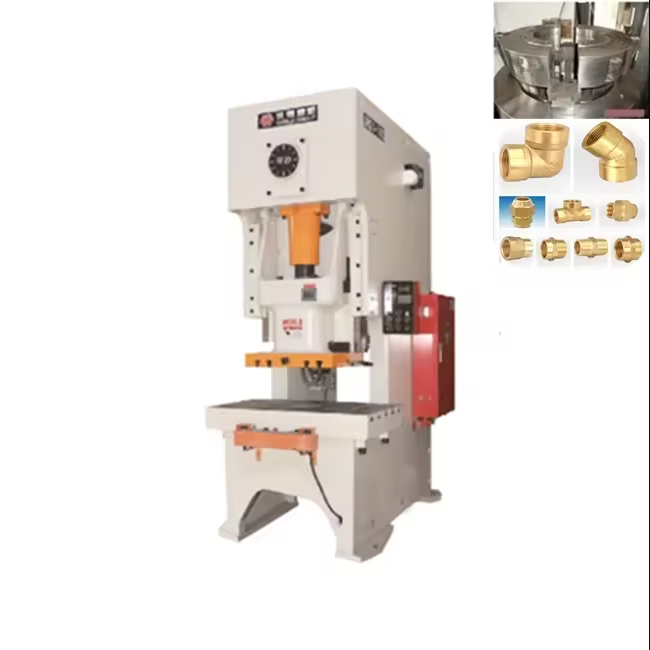
Brass is exceptionally “machinable,” allowing for tighter tolerances in internal threads and smoother handle operation. Furthermore, electroplated finishes (like Polished Chrome or Brushed Gold) bond much more effectively to brass than to other metals. This ensures that your Wholesale Faucets will not peel or flake, even in humid bathroom environments.
Sourcing Strategy for High-Quality Wholesale Faucets
When developing a procurement strategy, we advise our partners to look for the “Weight Test.” A high-quality Brass Faucet will feel significantly heavier and more substantial than a zinc alternative. This physical weight is the first indicator of the copper content and overall quality you are providing to your end-users.
Conclusion: Aligning Your Material Strategy with Your Market Positioning
In the world of faucet manufacturing, material choice is the foundation of quality. While zinc alloy offers a low entry price and stainless steel provides a modern industrial feel, the solid Brass Faucet remains the undisputed king of durability, safety, and finish quality. By choosing the right materials, you are not just buying a product; you are investing in your brand’s long-term success. Ready to specify the materials for your next Faucet OEM Service project? Please request a material analysis report or contact our manufacturing experts for a technical consultation today.
FAQ: Technical Questions About Faucet Metal Compositions
How can I tell if a faucet is made of solid brass or zinc alloy? The most reliable way is weight; brass is much denser. You can also check the unplated internal threads; brass will have a distinct yellowish hue, while zinc is typically dull grey.
Is a brass faucet safer than a stainless steel one? Both are safe if they meet international lead-free standards. High-quality brass has the added benefit of being naturally antimicrobial, which helps inhibit the growth of certain bacteria within the fixture.
What is the typical lifespan of a high-quality brass faucet? A well-manufactured brass faucet with a ceramic cartridge can easily last 20 years or more with basic maintenance, making it a highly sustainable choice for construction projects.