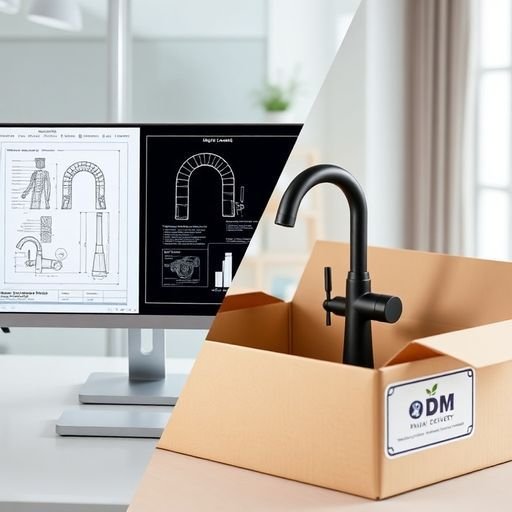

In the international sanitary ware trade, a beautiful design is only the beginning. The true passport for your product to cross borders and reach retail shelves is regulatory compliance. What faucet certifications do you need to sell globally? Navigating international plumbing standards can be daunting for importers and brand managers. If a product fails to meet local safety standards, you face massive legal risks and costly product recalls. This B2B guide explores the critical Faucet Certifications required for major markets. It also reveals how partnering with a professional sanitary ware manufacturer safeguards your supply chain and accelerates your market entry.
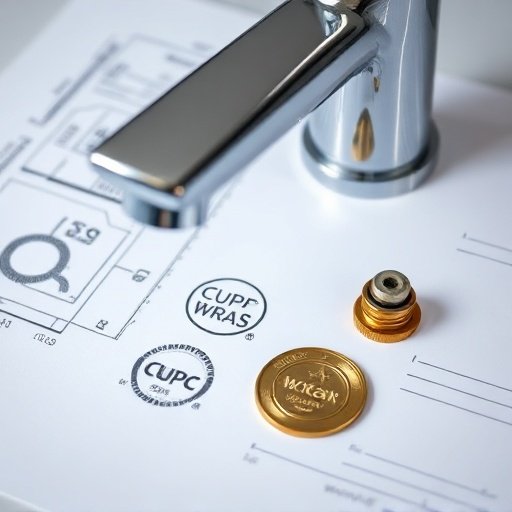
North American Standards: Understanding cUPC and NSF/ANSI
The North American market is highly regulated, prioritizing mechanical longevity and strict material safety. If you plan to import into the United States or Canada, these certifications are non-negotiable.
Ensuring Quality and Durability with cUPC Guidelines
The cUPC (Uniform Plumbing Code for US and Canada) certification is the cornerstone of North American plumbing compliance. It tests the mechanical integrity of the faucet. Inspectors evaluate the lifecycle of the ceramic cartridge, ensuring it can withstand hundreds of thousands of ON/OFF cycles without leaking. A cUPC mark proves to your B2B buyers that the fixture meets rigorous performance benchmarks.
The Importance of Lead-Free Compliance for Drinking Water Safety
Equally important are the NSF/ANSI 61 and NSF/ANSI 372 standards. These regulate the health effects of plumbing products. They specifically mandate strict “lead-free” material requirements. High-quality Custom Faucets destined for North America must utilize specialized low-lead brass to prevent harmful contaminants from leaching into drinking water.
The European and UK Markets: WRAS and CE Marks
Exporting to the United Kingdom and the European Union requires a different set of regulatory approvals, focusing heavily on water contamination prevention.
WRAS Approval: Protecting the Public Water Supply from Contamination
In the UK, the Water Regulations Advisory Scheme (WRAS) approval is essential. Unlike mechanical tests, WRAS strictly focuses on how the fixture affects water quality. Inspectors rigorously test all non-metallic components, such as rubber O-rings, internal hoses, and lubricants. They ensure these materials do not harbor bacteria, alter the water’s taste, or release toxic chemicals.
Navigating CE Marking Requirements for Custom Faucets
For the broader European Economic Area, the CE mark indicates conformity with health, safety, and environmental protection standards. While generally less stringent on specific plumbing mechanics than cUPC, a CE mark is mandatory for customs clearance and proves your product meets fundamental EU directives.
Entering the Australian Market: The WaterMark Scheme
Australia maintains some of the most rigorous plumbing standards globally, combining safety checks with strict environmental mandates.
WaterMark Certification for Plumbing Safety and Suitability
The WaterMark certification scheme is mandatory for all plumbing and drainage products sold in Australia. It ensures that the product is fit for purpose and will not cause leaks or backflow that could contaminate the municipal water supply. Earning this mark requires comprehensive laboratory testing and ongoing factory audits.
WELS Rating: Promoting Water Efficiency in Wholesale Faucets
Alongside WaterMark, Australia enforces the Water Efficiency Labeling and Standards (WELS) scheme. This rating system requires faucets and showerheads to display their water consumption efficiency. Supplying high-WELS-rated certified wholesale faucets significantly increases your competitiveness in this eco-conscious market.
How a Reliable Sanitary Ware Manufacturer Ensures Compliance
Obtaining these global Faucet Certifications is a complex, expensive, and time-consuming process. Your choice of manufacturing partner directly dictates your success in navigating this hurdle.
In-House Testing Labs and Rigorous Quality Control
A top-tier Sanitary Ware Manufacturer does not wait for third-party labs to find failures. They operate robust in-house testing facilities. By conducting pre-certification tests for pressure, salt-spray corrosion, and lifecycle durability, the factory ensures your product will pass official audits smoothly, saving you months of delays.
Partnering for Seamless Faucet OEM Service and Global Export
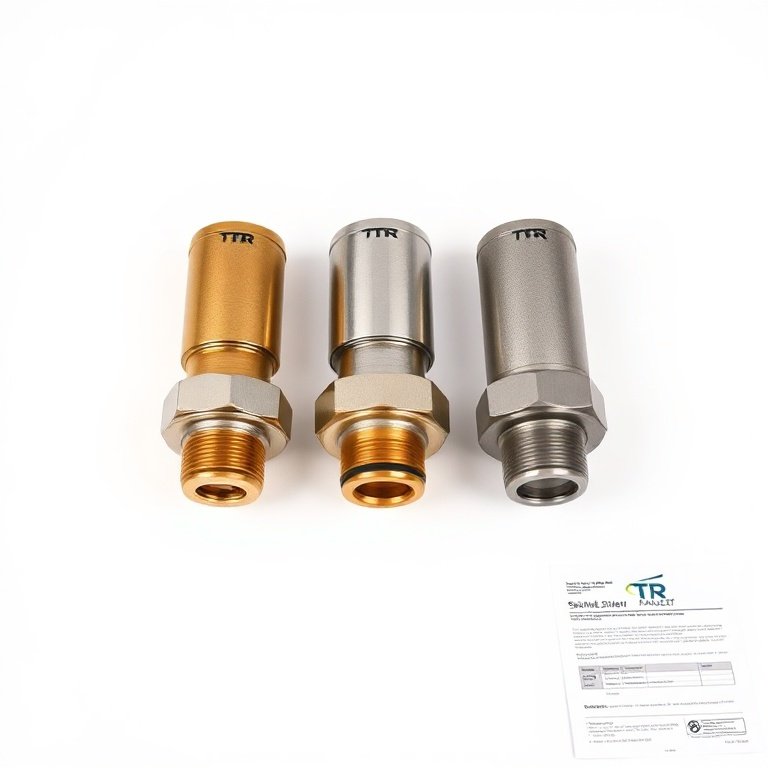
When you engage a factory for an OEM project, ask about their existing compliance portfolio. Experienced factories often hold base certifications for their internal cartridges and hoses. This allows them to effectively fast-track the certification process for your newly designed exterior shells.
Conclusion: Building Brand Trust Through Certified Quality
Proper Faucet Certifications represent much more than legal compliance; they are a powerful marketing tool. Showing a cUPC or WRAS logo builds immediate trust with your end-consumers and B2B distributors. It proves your commitment to safety, durability, and global excellence. Are you ready to source fully compliant fixtures for your highly regulated market? Please contact our expert compliance team to discuss your Faucet OEM Service project today.
FAQ: Common Questions About Importing Certified Faucets
Do I absolutely need cUPC certification to sell faucets in the US? Yes. While some unregulated local markets might overlook it, practically all reputable distributors, retailers, and commercial building codes legally require cUPC certification for installation in the United States and Canada.
How long does it take to get a new faucet design certified? If you are developing a completely new product, the testing and certification process can take anywhere from 3 to 6 months. Partnering with a manufacturer familiar with the paperwork can significantly expedite this timeline.
Can a manufacturer list my brand name on their existing certification? Yes. This is called a “Multiple Listing” or “Private Label Listing.” If the factory already holds the certification for a specific faucet model, they can apply to have your brand name officially added to the certification directory under their file, which is much faster and cheaper.
Are certification costs included in the price of wholesale faucets? Generally, if you buy an existing ODM product that the factory has already certified, the cost is amortized into the unit price. If you require a brand-new custom OEM design, you will typically need to pay the certification laboratory fees directly.