

Selecting the right partner is the most critical decision for your brand’s future. How do you find a reliable sanitary ware manufacturer that aligns with your quality standards and growth ambitions? This guide provides a comprehensive framework for B2B buyers to navigate the selection process. A strong manufacturing partner is more than a supplier; they are an extension of your brand. Let’s explore the key criteria for making this vital choice. For those ready to build their brand, you can learn more about our .

Understanding Your Needs: The Foundation of a Great Partnership
Before you can evaluate any potential partner, you must first have a clear understanding of your own requirements. What are your specific product goals and market positioning? A detailed internal review will create a precise benchmark for assessing each manufacturer.
Defining Your Product Line and Target Market
First, outline your desired product range. Are you focusing on modern bathroom fixtures or classic designs? Your target market dictates the required style, features, and price points. A clear product vision is essential for effective communication with a potential faucet supplier.
Setting Quality Standards and Price Points
Next, establish your non-negotiable quality standards. This includes materials, like high-quality brass faucet construction, and finish durability. Your quality level directly influences your brand’s reputation. This framework will help you filter manufacturers that meet your brand’s promise.
Projecting Volume and Scaling Needs
Finally, consider your business scale. A startup brand has different needs than an established one looking for wholesale faucets. Assess your initial order volume and future growth potential. Ensure your chosen partner can scale production with you, supporting your long-term vision.
Evaluating a Sanitary Ware Manufacturer’s Core Capabilities
Once you have defined your needs, you can begin to assess a sanitary ware manufacturer’s core competencies. This stage moves beyond promises and looks at their actual operational strength. How does their factory translate ideas into high-quality products?
Assessing R&D and Customization (True Faucet OEM Service)
A strong manufacturer invests heavily in Research and Development. Evaluate their ability to create custom faucets and innovate. Do they have an experienced engineering team? Their capacity for customization is a direct reflection of a true .
Scrutinizing Production Capacity and Technology
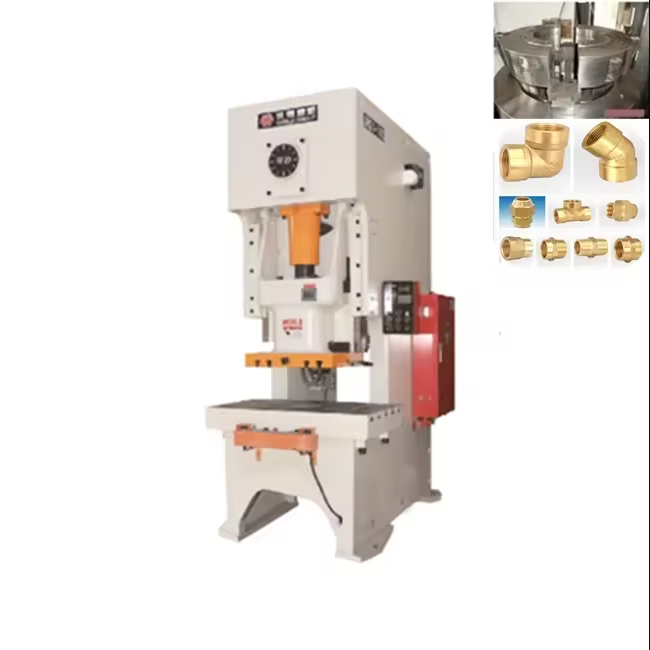
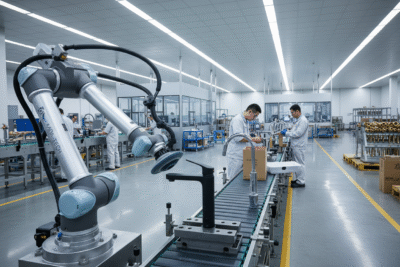
What does their faucet manufacturing process look like? Ask about their factory size, production lines, and the technology they use. Modern equipment often leads to better consistency and efficiency. A transparent manufacturer will be open about their production capabilities.
The Importance of a Robust Quality Control System
A rigorous quality control (QC) process is non-negotiable. Inquire about their QC checkpoints, from raw material inspection to final product testing. This ensures every item meets your established standards. Reliable quality is the cornerstone of a successful B2B partnership.
Analyzing Supply Chain and Material Sourcing
Lastly, understand their supply chain. Where do they source their raw materials, such as the brass for a brass faucet? A stable and ethical supply chain minimizes risks of delays and quality issues. This insight reveals their operational resilience.
Verifying Credentials: The Role of Certifications and Audits
Verbal assurances are not enough. You must verify a manufacturer’s claims through objective documentation and physical samples. What proof can they provide of their quality and compliance?
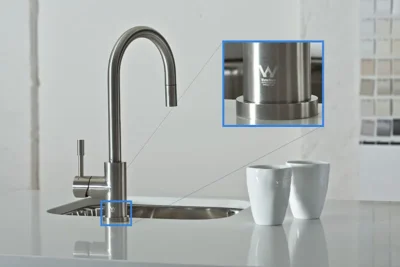
Essential Global Certifications (cUPC, WRAS, WaterMark)
For international brands, faucet certifications are critical for market access. Check if the manufacturer holds certifications relevant to your target markets, such as cUPC for North America, WRAS for the UK, or WaterMark for Australia. This demonstrates their experience with global standards.
Understanding Factory Audits (ISO 9001, BSCI)
Independent factory audits provide an unbiased view of a manufacturer’s operations. An ISO 9001 certification indicates a strong quality management system. A BSCI audit shows a commitment to social compliance. These documents are strong indicators of a professional operation.
Requesting and Evaluating Product Samples
Never commit to a large order without first evaluating a product sample. This is your chance to physically inspect the quality, finish, and function. The sample should perfectly reflect the standards promised by the manufacturer.
Beyond Production: Assessing Communication and Service
A successful B2B partnership relies on more than just production. The “soft skills” of communication and service are equally important for a smooth and efficient collaboration.
Is Their Communication Clear and Responsive?
During your initial inquiries, pay close attention to their communication style. Do they respond promptly and answer your questions clearly? A professional sales and support team from a top is a sign of a well-run company.
Understanding Their Experience with Global Logistics
Does the manufacturer have experience exporting to your country? A partner familiar with international shipping and customs can save you significant time and headaches. Ask about their logistics process and partners. This is crucial when sourcing from China faucet manufacturers.
Post-Sale Support and Warranty Policies
Finally, clarify their warranty and after-sales support policies. A confident manufacturer stands behind their products. A clear and fair warranty policy provides you with peace of mind and protects your investment.
Conclusion: Making Your Final Decision for a Long-Term Partnership
Choosing a sanitary ware manufacturer is a strategic decision that will impact your brand for years. By thoroughly evaluating their capabilities, verifying their credentials, and assessing their service level, you can find a partner that not only produces excellent products but also supports your brand’s growth. This comprehensive approach ensures you build a foundation for a successful and lasting B2B partnership. What is the most important factor for you when choosing a manufacturer? Share your thoughts in the comments below!
FAQ: Answering Your Top Questions About Faucet OEM Services
What is the typical MOQ for custom faucets? The Minimum Order Quantity (MOQ) for custom faucets varies by manufacturer and product complexity. It typically ranges from 100 to 500 units per model. It’s best to discuss your specific needs directly with the supplier.
How long does the OEM process take from design to delivery?
Can a manufacturer help with product design? Yes, many experienced manufacturers, including , have in-house R&D teams that can assist with product design, technical drawings, and 3D modeling to turn your concept into a producible item.
What’s the difference between OEM and ODM? OEM (Original Equipment Manufacturer) is when a factory produces a product based on your design. ODM (Original Design Manufacturer) is when you select an existing product design from the factory’s catalog and brand it as your own, often with minor modifications.